

Chaplin Leaf Removal Services
Choose Chaplin for reliable, thorough leaf removal that keeps your property looking pristine and safe—saving you time and hassle while protecting your lawn.
Get a Free QuoteOur Chaplin Landscaping & Yard Care Services
When to Schedule Leaf Removal in Chaplin, Connecticut – Seasonal Guide
In Chaplin, Connecticut, the best time for leaf removal typically falls between late October and early December, when most deciduous trees—such as those lining Bedlam Road and the neighborhoods near Garrison Park—have shed their leaves. The region’s climate, marked by cool autumns and the first frosts often arriving in early November, means that waiting until after the majority of leaves have dropped ensures a more thorough cleanup. However, it’s important not to delay too long, as heavy rainfall or early snow can make leaf removal more challenging and potentially harm your lawn.
Local environmental factors play a significant role in determining the optimal schedule. Chaplin’s mix of shaded lots, clay-heavy soils, and occasional drought risk—especially in areas near the Natchaug River—can affect how quickly leaves decompose and how much moisture is retained in your yard. Homeowners should also be aware of municipal guidelines and seasonal updates, which can be found on the Town of Sudbury’s website, to ensure compliance with local regulations and best practices.
Local Factors to Consider for Leaf Removal in Chaplin
- Tree density and species (oaks and maples drop leaves later in the season)
- Proximity to water sources like the Natchaug River, which can increase humidity and leaf decay
- Terrain and slope, affecting leaf accumulation and runoff
- Typical frost dates and risk of early snowfall
- Municipal restrictions or scheduled collection dates
- Soil type (clay soils retain moisture, increasing risk of mold under leaf piles)
- Shade coverage, which slows leaf drying and decomposition
Benefits of Leaf Removal in Chaplin

Enhanced Curb Appeal
Prevents Lawn Damage
Reduces Pest Infestations
Promotes Healthy Grass Growth
Saves Time and Effort
Professional and Reliable Service
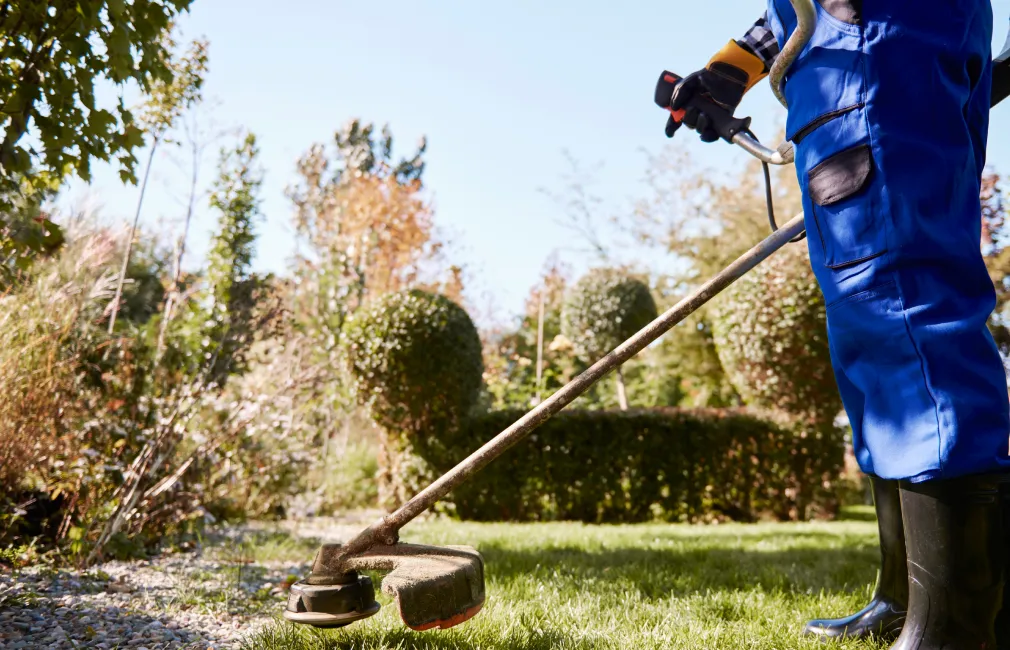
Chaplin Leaf Removal Types

Raking and Bagging
-
Leaf Blowing
-
Mulching Leaves
-
Vacuum Collection
-
Curbside Pickup
-
Composting Leaves
-
Seasonal Cleanup
Our Leaf Removal Process
Site Evaluation
Debris Gathering
Leaf Collection
Final Cleanup
Why Choose Chaplin Landscape Services
-
Chaplin Homeowners Trust Us
-
Expert Lawn Maintenance
-
Reliable Scheduling
-
Competitive Pricing
-
Professional Team
-
Satisfaction Guarantee
-
Personalized Service
Leaf Collection Schedules and Disposal Procedures in Chaplin
Leaf removal in Chaplin is governed by municipal collection schedules and strict disposal protocols to ensure compliance with local ordinances and environmental standards. The Department of Public Works coordinates weekly curbside leaf collection from October through November, typically on Thursdays. Residents must use biodegradable paper bags or rigid containers not exceeding 32 gallons; plastic bags are strictly prohibited. Only leaves, grass clippings, and brush under 4 feet in length are accepted, while branches over 4 inches in diameter are not permitted. All materials must be placed curbside by 7:00 AM on collection day. Violations, such as improper bagging or late placement, may result in fines. For questions regarding collection schedules or accepted materials:
Chaplin CT Public Works
495 Phoenixville Road, Chaplin, CT 06235
Phone: (860) 455-0030
Official Website: Chaplin CT Public Works
Managing Leaf Removal Near Chaplin’s Wetlands and Watercourses
Chaplin contains several sensitive wetlands and watercourses, including areas adjacent to the Natchaug River and local conservation lands. Leaf removal activities within 100 feet of these resources must comply with buffer zone regulations enforced by the Conservation Commission. A minimum 25-foot no-disturbance buffer is required, and leaves must never be deposited in wetlands, streams, or storm drains. The Connecticut Environmental Protection Act and the Clean Water Act prohibit dumping yard waste in protected areas. To determine if your property is within a regulated area or to request a site review, contact:
Chaplin CT Conservation Commission
495 Phoenixville Road, Chaplin, CT 06235
Phone: (860) 455-0030
Official Website: Chaplin CT Conservation Commission
Soil Series and Drainage Considerations for Leaf Removal in Chaplin
Chaplin’s predominant soils, as identified by the USDA Web Soil Survey, include the Charlton-Chatfield and Paxton series, which are moderately to poorly drained glacial tills with pH values typically ranging from 5.5 to 6.5. These soils can retain moisture and become compacted, especially in low-lying areas. When removing leaves, avoid using heavy equipment on saturated soils to prevent compaction and rutting. For optimal soil health, incorporate 2-3 inches of compost into garden beds after leaf removal and consider soil testing through UConn Extension (tests typically cost $15-25). Key soil management steps:
- Avoid equipment use when soil is wet
- Apply lime if pH is below 6.0
- Use compost to improve structure and drainage
- Maintain a 2-3 inch mulch layer in planting beds
Equipment Operation Hours and Safety Standards for Chaplin Leaf Removal
Chaplin enforces municipal noise ordinances for outdoor equipment operation. Permitted hours for leaf blowers and vacuums are:
- Monday-Friday: 7:00 AM - 7:00 PM
- Saturday: 8:00 AM - 6:00 PM
- Sunday and holidays: Prohibited All commercial operators must use equipment with functioning mufflers and maintain noise levels below 85 decibels at property lines. Personal protective equipment (PPE) is required, including ANSI Z87.1 safety glasses, hearing protection for noise above 85 dB, and high-visibility vests when working near roadways. Maintain a 15-foot clearance from overhead power lines and avoid blocking sidewalks or roadways during operations. For questions on safety standards or enforcement:
Chaplin CT Police / Public Safety
495 Phoenixville Road, Chaplin, CT 06235
Phone: (860) 455-0030
Official Website: Chaplin CT Police / Public Safety
State and Federal Environmental Compliance for Leaf Removal in Chaplin
Leaf removal in Chaplin must comply with state and federal environmental regulations, including the Connecticut Environmental Protection Act and the Clean Water Act. The Connecticut Department of Energy and Environmental Protection (CT DEEP) administers the MS4 stormwater permit, which prohibits the discharge of leaves and yard waste into storm drains. Maintain a 25-foot buffer from wetlands and a 50-foot setback from open water when stockpiling leaves. For guidance on compliance, stormwater management, or reporting violations:
Connecticut Department of Energy and Environmental Protection
79 Elm Street, Hartford, CT 06106
Phone: (860) 424-3000
Official Website: Connecticut Department of Energy and Environmental Protection
What Neighborhoods Do We Serve Throughout Chaplin, CT?
- North Chaplin: Characterized by mature woodlands and proximity to the Natchaug River, this area requires careful leaf removal to protect sensitive riparian buffers and manage heavy seasonal leaf fall.
- South Chaplin: Features newer subdivisions with larger lots and moderate tree cover, where leaf collection is facilitated by accessible curbside placement and less dense vegetation.
- Bedlam Village: Historic district with narrow roads and older homes, presenting challenges for equipment access and requiring adherence to strict noise and collection hour ordinances.
- Phoenixville: Contains a mix of residential and agricultural properties, with poorly drained soils and frequent wet conditions that necessitate careful timing of leaf removal to avoid soil compaction.
- Chaplin Center: The civic core with public buildings and community spaces, where leaf removal must coordinate with municipal schedules and avoid disruption to pedestrian traffic.
- Bear Hill: Elevated terrain with sloped lots and dense tree canopy, increasing the volume of leaves and the need for erosion control during removal activities.
- South Windham Road Corridor: Transitional area with a mix of rural and residential properties, where proximity to wetlands and conservation lands requires strict compliance with buffer regulations and disposal protocols.